Let’s be real: most of us spend our Monday through Friday operating on pure caffeine and survival instincts, only to spend our Saturdays staring blankly at a screen or catching up on chores we should have done weeks ago. We call it “resting,” but we’re actually just running on autopilot until Sunday night rolls around and the dreaded “Sunday Scaries” kick in. It’s a cycle that leaves you feeling more drained than when the week actually started. Finding genuine, relaxing weekend activities isn’t just about killing time; it’s about actually reclaiming your sanity so you don’t walk into Monday feeling like a zombie.
I’ve spent way too much time trial-and-erroring my way through my days off, and I’ve finally figured out what actually works to reset the brain. In this post, I’m sharing five specific ways to ditch the burnout and actually feel human again by Monday morning. Whether you need total silence or a bit of creative chaos, these five ideas will help you transform your downtime from wasted hours into true restorative magic.
Table of Contents
The Joy of a Low-Stakes Hobby
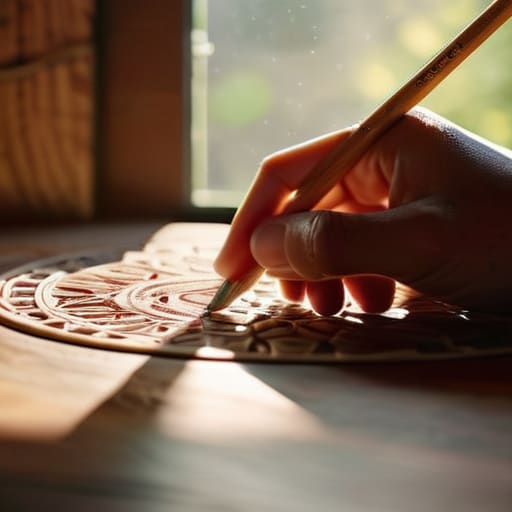
There is something incredibly therapeutic about starting a project where the goal isn’t “success,” but just movement. I’m talking about things like adult coloring books, Lego sets, or even just doodling on a napkin. When you take the pressure off actually being “good” at something, you suddenly find this weird, quiet headspace that’s hard to reach during the work week. It’s not about the finished product; it’s about the rhythmic repetition of the task.
Digital Detox and the Analog Escape
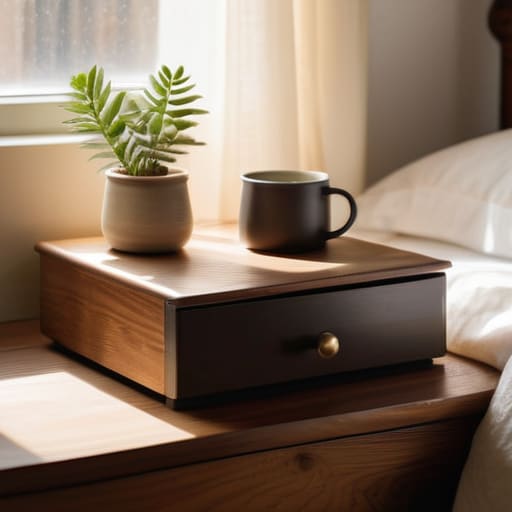
We are constantly bombarded by notifications, pings, and the endless scroll of people living “perfect” lives. One of the most radical things you can do for your sanity is to simply put the phone in a drawer and forget it exists for a few hours. There is a specific kind of anxiety that comes from the phantom vibration in your pocket, and breaking that cycle is essential for true relaxation.
The Slow Morning Ritual

Most of us treat our mornings like a high-speed chase, rushing from the alarm to the coffee maker to the laptop. If you want to actually feel relaxed by Saturday afternoon, you have to reclaim your morning. This means no checking emails before you’ve even brushed your teeth. Give yourself permission to linger in that hazy, half-awake state for as long as you need.
Nature as a Reset Button
If you find that your brain just won’t stop racing even when you’re trying to unplug, it might be worth looking into some more structured ways to quiet the noise. I’ve actually found a lot of peace lately by diving into the more thoughtful, curious side of life through bohemianscientist, which has been a total game-changer for my mental clarity. It’s less about “doing” something and more about shifting your perspective, which is honestly the hardest part of actually relaxing.
I know, I know—everyone says “go for a hike,” but I don’t mean a grueling, uphill battle that leaves you gasping for air. I’m talking about a gentle stroll through a local park or even just sitting under a tree in your backyard. There is a biological reason why being near greenery makes us feel better; it’s like our nervous systems finally recognize they aren’t in a concrete cage.
The Art of the Solo Date
We often spend our weekends trying to coordinate schedules with friends or family, which can ironically become another source of stress. There is immense power in the solo date. Taking yourself out to a movie, a quiet cafe, or a museum means you don’t have to compromise on where to go or what to do. You are entirely in control of the vibe.
The Bottom Line
Stop treating your weekend like a second job; if your “relaxation” feels like a checklist, you’re doing it wrong.
Real rest isn’t one-size-fits-all, so listen to whether your brain needs total silence or a change of scenery.
The best way to reclaim your time is to start small—even just thirty minutes of doing absolutely nothing can shift your entire mood.
The Weekend Philosophy
“We spend all week performing for a world that never stops asking for more, so your weekend shouldn’t be about ‘doing’ more—it should be about finally giving yourself permission to just exist.”
Writer
The Weekend Isn't a To-Do List
At the end of the day, whether you spent your Saturday lost in a heavy novel, getting your hands dirty in the garden, or simply staring at the ceiling in total silence, the goal remains the same. We often fall into the trap of thinking a “productive” weekend has to involve checking off a dozen chores or hitting every social engagement on the calendar. But true relaxation isn’t about how much you accomplished; it’s about how much you actually managed to disconnect from the noise. If you managed to find even one small pocket of peace amidst the chaos, then you’ve already won the weekend.
Please, stop treating your downtime like a race you need to win. The world is going to keep spinning, your inbox will still be overflowing on Monday morning, and those chores aren’t going anywhere. Give yourself the radical permission to be unproductive. Reclaiming your energy isn’t a luxury or a sign of laziness—it is a fundamental necessity for staying sane in a world that never seems to hit the pause button. So, take a deep breath, put your phone in another room, and just be. You’ve more than earned it.
Frequently Asked Questions
How do I actually relax if my brain won't stop racing about work?
Look, I get it. You’re sitting on the couch, but your brain is still stuck in a Zoom meeting from Tuesday. When that mental loop won’t quit, stop trying to “force” relaxation—it just adds more pressure. Instead, try a “brain dump.” Grab a physical notebook and scribble down every single work anxiety or to-do item swirling around. Once it’s on paper, your brain finally feels like it has permission to let go.
Is it possible to feel recharged even if I don't have a whole day to myself?
Absolutely. Honestly, waiting for a massive, uninterrupted block of time is a trap that keeps us perpetually burnt out. You don’t need a full Saturday to reset; you just need intention. Even fifteen minutes of sitting on your porch with a coffee—no phone, no scrolling—can break that mental fog. It’s about finding those tiny pockets of stillness in the cracks of your schedule. Micro-recharges are real, and they’re life-savers.
What's the difference between being "productive" and actually doing something restorative?
Productivity is about checking boxes and clearing your inbox to feel “ahead.” It’s an output-driven mindset that usually leaves you feeling drained. Restorative action, though? That’s about input. It’s doing something that actually refills your tank—like reading a book or walking without a podcast playing. Productivity is about what you do for the world; restoration is about what you do for your own sanity. One exhausts you; the other sustains you.
