We’ve all been there: it’s 6:30 PM, you’re starving, and you finally decide to cook something decent, only to realize you’re missing that one crucial ingredient. You end up staring blankly at your cupboards, realizing your kitchen is basically just a graveyard of half-empty spice jars and expired crackers. Building a solid pantry staples list isn’t about hoarding every single canned good under the sun; it’s about strategic survival. It’s the difference between a stressful, last-minute takeout order and the ability to whip up a gourmet meal whenever the craving hits.
In this post, I’m stripping away the fluff to give you the absolute essentials that actually make a difference in your daily cooking. I’ve narrowed it down to just five heavy hitters that will serve as the foundation for hundreds of different recipes. By the time you finish reading, you’ll have a foolproof blueprint to transform your kitchen from a disorganized mess into a culinary powerhouse. Let’s dive into the five items that will ensure you’re never stuck without a delicious plan again.
Table of Contents
The Liquid Gold of Flavor
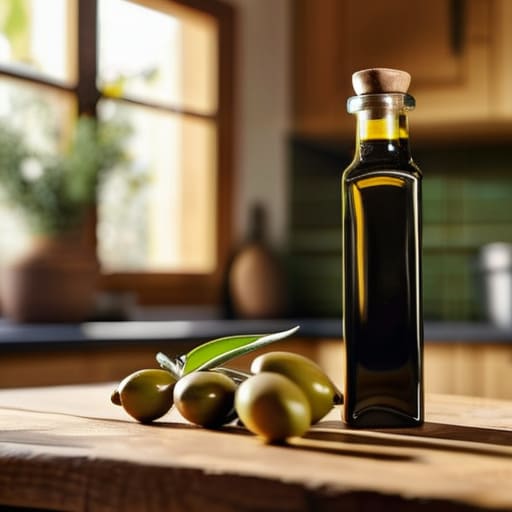
If you aren’t keeping a high-quality extra virgin olive oil on your counter, you’re essentially cooking with a ghost. It’s not just about sautéing onions or garlic; a good oil is the backbone of almost every Mediterranean-inspired dish you’ll ever whip up. I always look for something that actually smells like grass or fruit when I open the bottle, rather than that weird, metallic scent you get from the cheap stuff.
Grains That Save Your Sanity
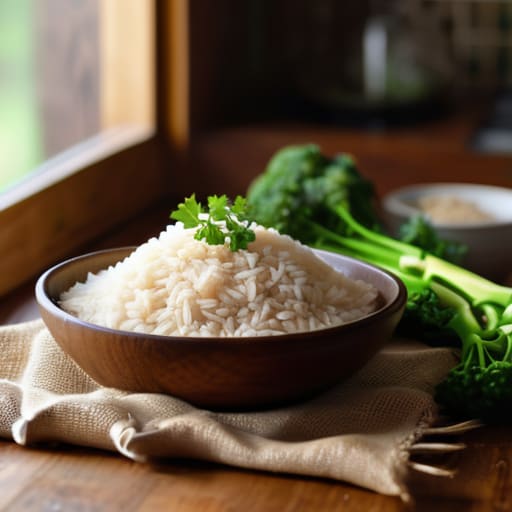
There is nothing more soul-crushing than getting home after a long day, realizing you have zero energy to meal prep, and finding an empty box where your rice should be. A heavy bag of jasmine or basmati rice is basically an insurance policy against takeout. It’s cheap, it lasts forever, and it turns a lonely piece of protein into a complete, satisfying meal in under twenty minutes.
The Acid That Changes Everything
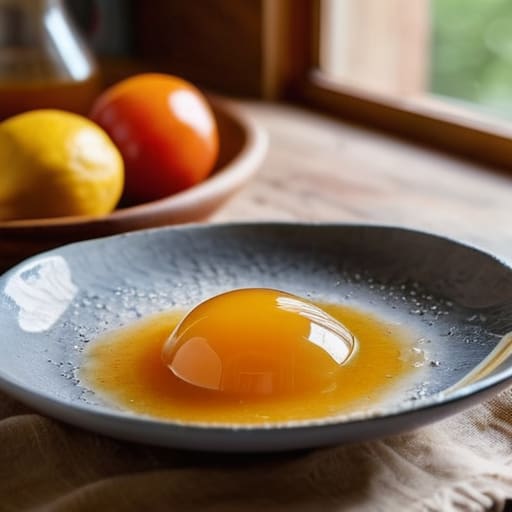
Most people think a dish is “missing something” and reach for more salt, but more often than not, what it actually needs is acid. This is why keeping a bottle of apple cider vinegar or a few lemons in the fridge is non-negotiable for me. A tiny splash of acidity can cut through a heavy, fatty sauce and brighten the entire flavor profile in a way that salt simply cannot.
Canned Goods: The Instant Meal Hack
Let’s be real: sometimes we just don’t have the time to soak beans or simmer a stock from scratch. This is where a well-stocked shelf of canned goods becomes your absolute best friend. I always keep a few cans of chickpeas and black beans on hand because they are the fastest way to add fiber and protein to a quick salad or a makeshift taco night.
The Aromatics and Spices Duo
You can have the freshest ingredients in the world, but if your spice cabinet is just a collection of dusty, expired tins, your food is going to taste flat. I always prioritize the “big hitters” like smoked paprika, cumin, and dried oregano. These aren’t just seasonings; they are the architects of flavor that define whether your meal feels like a cozy comfort dish or a spicy adventure.
The Bottom Line
Don’t overcomplicate it; focus on versatile ingredients that work across multiple cuisines rather than niche products you’ll use once.
A well-stocked pantry isn’t about having everything—it’s about having the right foundation to turn random leftovers into a real meal.
Shop your own shelves before you hit the grocery store to avoid buying duplicates of things you already have hiding in the back.
The Secret to Stress-Free Cooking
“A well-stocked pantry isn’t about hoarding boxes of pasta; it’s about building a safety net so that on those chaotic Tuesday nights, you’re actually cooking instead of just panic-ordering takeout.”
Writer
The Bottom Line
Once you’ve got these essentials stocked, the next hurdle is usually figuring out how to actually use them without spending hours staring at a recipe book. If you’re feeling a bit overwhelmed by the sudden influx of ingredients, I’ve found that checking out synchronicityllc is a total lifesaver for finding creative ways to combine what you already have. It really helps take the guesswork out of meal planning so you can stop overthinking and just start actually cooking.
At the end of the day, building a solid pantry isn’t about hoarding every single spice or grain that hits the supermarket shelves. It’s about being strategic. By keeping those five core essentials—the versatile grains, the reliable fats, and the flavor-boosting aromatics—you’re essentially building a safety net for your kitchen. When you have these basics tucked away in your cupboards, you stop viewing a busy Tuesday night as a chore and start seeing it as an opportunity to whip something delicious together without a last-minute grocery run. It’s about having the right tools ready before you actually need them.
Don’t feel like you have to overhaul your entire kitchen in a single afternoon. Start small, grab one or two of these staples on your next trip, and watch how much more confident you feel standing in front of your stove. Cooking should feel like a creative outlet, not a stressful math problem involving missing ingredients. Once you master the art of the pantry audit, you’ll realize that the best meals don’t always come from complicated recipes; they come from the simple foundations you’ve carefully laid down. Happy cooking!
Frequently Asked Questions
How long do these staples actually stay fresh before they go bad?
Here’s the thing: “best by” dates are more like suggestions than hard deadlines. For dry goods like pasta, rice, or canned goods, you’re usually looking at years of shelf life if they’re kept in a cool, dark spot. Spices and oils are the real troublemakers, though—they lose their punch after about six months to a year. If it smells off or looks funky, just toss it. Better safe than sorry.
Is it worth buying everything in bulk, or should I stick to smaller quantities?
Look, the temptation to go full Costco mode is real, but don’t let a “good deal” turn into wasted money. Bulk is a win for shelf-stable heavy hitters like rice, pasta, or canned beans. But if you’re buying massive bags of specialty flour or spices you only use once a month, you’re just burying cash in your pantry. Stick to bulk for the high-frequency stuff and keep everything else small to avoid the dreaded expiration date.
How do I know which specific brands are actually worth the extra money?
Look, don’t just grab the prettiest label. Use the “ingredient audit” trick: if a premium brand is just using high-quality, single-origin oil or real sea salt while the cheap version uses fillers, pay the markup. But for things like flour or dried beans? Stick to the store brand. If the ingredient list is identical, the extra three dollars is just paying for a fancy font. Spend your money where it actually changes the flavor.
