I was standing in front of my closet last Tuesday, staring at a literal mountain of denim and sweaters, feeling like I was losing a fight against my own life. I had spent hundreds of dollars on those aesthetic, clear acrylic bins you see all over social media, yet I still couldn’t find a single clean pair of socks without excavating a fabric wasteland. The truth is, most “expert” advice on clothing storage is just a way to sell you more plastic junk you don’t actually need. We’ve been conditioned to believe that if we just buy enough fancy organizers, our lives will suddenly feel curated and calm, but all we’re really doing is organizing the chaos instead of actually fixing it.
I’m done with the fluff and the expensive, useless gadgets that end up gathering dust in the back of your pantry. In this guide, I’m going to skip the Pinterest-perfect illusions and give you the raw, battle-tested strategies that actually work for real people with real messes. We’re going to talk about how to reclaim your space using logic, not just more boxes, so you can finally stop fighting your wardrobe and start actually wearing it.
Table of Contents
Space Saving Closet Solutions for Tiny Rooms
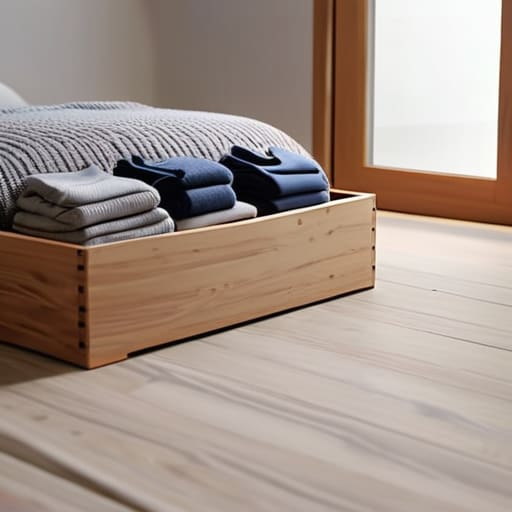
If you’re living in a studio apartment or a bedroom where the closet feels more like a cramped dungeon, you have to stop thinking vertically. Most people waste the top six inches of their closet or the dead zone under their bed. Instead of cramming everything onto one rail, look into underbed storage containers to tuck away your off-season sweaters or bulky jeans. It clears up immediate breathing room in your main hanging area and keeps your floor from looking like a disaster zone.
When it comes to the actual hanging space, ditch those thick, chunky wooden hangers that eat up half your rod. Switch to slim velvet ones; they are absolute game-changers for maximizing every inch of vertical real estate. If you have a few high-end pieces that you can’t just toss into a bin, don’t leave them exposed to dust or light. Use breathable garment bags for your nicer items. This keeps them safe without making them feel like they’re trapped in a plastic tomb, ensuring your favorite pieces stay in rotation rather than gathering dust in a corner.
The Secret to Preventing Moth Damage Forever
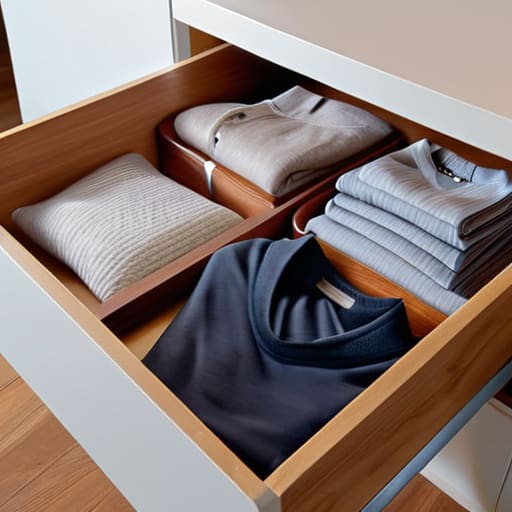
If you’re tired of playing Tetris with your seasonal wardrobe every time the temperature shifts, you really need to look into high-quality vacuum seal bags. They are absolute lifesavers for shrinking bulky winter coats down to a fraction of their size, making them much easier to tuck away on high shelves. I’ve found that checking out specialized gear at gadgetsvillage is a great way to find the reliable organizers you actually need to keep your drawers from overflowing. Honestly, once you start using them, you’ll realize you’ve been wasting massive amounts of space for no reason.
Nothing ruins a high-quality wool sweater faster than finding a tiny, jagged hole right in the center of the chest. Most people think moths are just a random stroke of bad luck, but they’re actually opportunistic scavengers looking for the perfect snack. If you leave your seasonal pieces sitting in a dark, stagnant corner of your closet, you’re basically setting out a buffet. The real trick isn’t just about using smelly cedar blocks—though those help—it’s about eliminating the food source by ensuring no stray skin cells or microscopic food spills are left on your garments.
To truly master preventing moth damage, you need to change how you transition your wardrobe between seasons. Instead of shoving everything into plastic bins, invest in high-quality breathable garment bags. Plastic can trap moisture and actually create a humid microclimate that moths love. For your heavy knits, tucking them into sturdy underbed storage containers after a thorough cleaning is a game-changer. It keeps them out of sight and, more importantly, out of reach of any uninvited guests lurking in your hanging rails.
5 Quick Wins to Stop the Wardrobe Chaos
- Stop treating your drawers like junk bins; use honeycomb dividers so your socks actually stay in their own lane instead of migrating into a giant fabric blob.
- If you aren’t wearing it, get it out of your sight—seasonal rotation isn’t just a suggestion, it’s a survival tactic for your closet space.
- Ditch the flimsy wire hangers that ruin your shoulder lines and swap them for velvet ones; they take up less room and keep your clothes from sliding onto the floor.
- Invest in some clear, airtight bins for your off-season gear so you can actually see what’s inside without having to dig through a mountain of sweaters.
- Use the “one-in, one-out” rule religiously; if you buy a new jacket, an old one has to go, or you’re just going to end up living in a fabric fortress again.
The TL;DR on a Tidy Closet
Stop fighting your floor space; use vertical storage and slim hangers to reclaim every inch of your tiny room.
Don’t let your wardrobe rot; prioritize airtight protection and cedar to keep moths from turning your favorites into Swiss cheese.
Organization isn’t just about aesthetics—it’s about actually being able to find your clothes without digging through a mountain of fabric every morning.
## The Real Cost of Chaos
“A messy closet isn’t just an eyesore; it’s a graveyard for your favorite clothes. If you can’t see it, you won’t wear it, and if you don’t store it right, you’ll end up replacing it—wasting money and space on things you already own.”
Writer
Final Thoughts on Your Wardrobe Revolution

At the end of the day, getting your clothing storage under control isn’t just about tidying up a messy room; it’s about reclaiming your sanity. We’ve covered everything from squeezing every inch of utility out of those cramped, tiny closets to the essential battle against moth damage that can ruin your favorite knits in a single season. Whether you’re implementing vertical shelving to save space or sealing away your seasonal pieces in airtight bins, the goal is the same: to stop fighting your wardrobe and start enjoying it. Once you move past the initial effort of sorting and storing, you’ll realize that organized clothes actually lead to an organized mind.
Don’t feel like you have to overhaul your entire life in a single weekend. Start small—maybe just one drawer or one shelf—and build from there. The magic happens when you stop viewing storage as a chore and start seeing it as an investment in your daily peace of mind. You deserve to wake up, open your closet, and actually see your options instead of staring at a mountain of fabric chaos. So, grab some bins, clear out the clutter, and finally make your wardrobe work for you, not against you.
Frequently Asked Questions
How do I organize my clothes if I don't have a walk-in closet?
Look, if you’re stuck with a standard reach-in closet or just a bare wall, stop mourning the lack of a walk-in. You have to think vertically. Invest in heavy-duty hanging organizers to turn that dead air space into extra shelving, and get some slim velvet hangers—they’re game-changers for doubling your rail space instantly. If you’re really tight on room, pull some seasonal pieces out and stash them in under-bed bins. Make every inch work.
What are the best ways to store seasonal items so they don't get musty?
Don’t just toss your winter knits into a random cardboard box and hope for the best. Cardboard actually breathes in moisture, which is a recipe for that dreaded musty smell. Instead, grab some airtight plastic bins or, even better, vacuum-seal bags to suck out every bit of air. If you’re using fabric bins, toss in a few cedar blocks or silica gel packets to act as a moisture sponge. Keep them off the floor, too.
Should I hang everything, or is folding actually better for certain fabrics?
Look, if you hang everything, you’re going to end up with “shoulder bumps” on your favorite knits and stretched-out necklines. It’s a disaster. Heavy sweaters, jersey fabrics, and anything chunky should definitely live in a drawer or on a shelf. Hang your structured stuff—blazers, button-downs, and linen—but let your knits breathe in a fold. It’s all about protecting the shape of the fabric so you aren’t wearing a saggy mess.
