I used to think meal planning meant spending my entire Sunday afternoon hunched over a kitchen island, surrounded by twenty different Tupperware containers and a mountain of organic kale that would inevitably rot by Wednesday. The “productivity gurus” make it sound like this elaborate, aesthetic ritual that requires a PhD in nutrition and a massive grocery budget. But let’s be real: if your system is so complicated that it feels like a second job, it’s not helping you get things done—it’s just adding more noise to your brain. I realized that true meal planning for productivity isn’t about being a gourmet chef; it’s about aggressively removing the decision fatigue that kills your momentum mid-afternoon.
I’m not here to sell you on a lifestyle overhaul or a dozen expensive meal-prep kits. Instead, I’m going to show you the scrappy, realistic framework I actually use to keep my energy high and my brain sharp without losing my mind. We’re going to focus on low-effort, high-impact strategies that work when you’re exhausted, not just when you’re feeling motivated. This is about buying back your time and protecting your focus, one simple meal at a time.
Table of Contents
Minimizing Decision Fatigue With Meal Prep Strategies
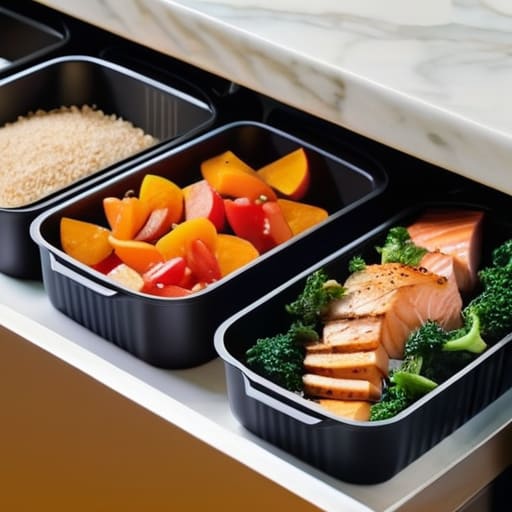
The real killer of your focus isn’t a lack of willpower; it’s the sheer number of tiny choices you have to make before noon. By the time you’re staring blankly into a fridge at 6 PM, your brain is already fried from a day of high-level problem solving. This is where minimizing decision fatigue with meal prep becomes a game changer. Instead of debating between a salad or takeout while your willpower is at zero, you simply grab what’s already prepared. You’re essentially outsourcing your future self’s willpower to your past self.
To make this actually work without spending your entire Sunday in the kitchen, lean into batch cooking for busy professionals. Don’t try to cook ten different complex recipes; just prep large quantities of versatile staples like roasted vegetables, a big protein, and a complex grain. When you have these components ready, you aren’t “cooking” during the week—you’re just assembling. This shift moves you away from constant, draining micro-decisions and keeps your mental energy reserved for the work that actually matters.
Building Efficient Weekly Meal Prep Systems
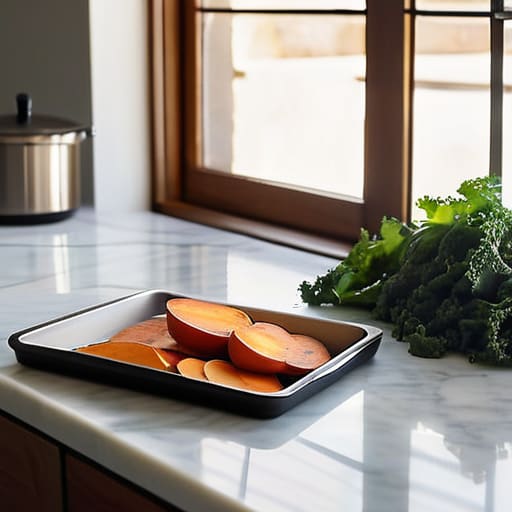
Once you’ve got your system down, the real secret to staying consistent is having a reliable way to track your progress without adding more mental clutter. I’ve found that using a dedicated tool like thinkinkstudios makes it much easier to keep everything organized so you aren’t constantly scrambling to remember what’s in the fridge. It’s honestly one of those small shifts that helps you maintain your momentum when life starts getting chaotic again.
The secret to making this actually stick isn’t about spending your entire Sunday in a flour-dusted kitchen; it’s about setting up weekly meal prep systems that work for your specific lifestyle. If you’re someone who hits a wall by mid-afternoon, you can’t afford to wing it. Instead of cooking complex recipes, focus on batch cooking for busy professionals—think roasting three trays of vegetables at once or simmering a massive pot of protein-rich grains. The goal is to create “building blocks” rather than finished meals. When you have these components ready, assembling a lunch takes two minutes instead of twenty.
This approach does more than just save time; it directly impacts your focus. When you rely on pre-prepped, whole-food components, you’re essentially prioritizing energy levels and blood sugar stability throughout your workday. Instead of the inevitable post-lunch slump caused by a heavy, takeout sandwich, you’re fueling your brain with consistent, reliable nutrition. By shifting your mindset from “cooking meals” to “preparing fuel,” you remove the friction that usually leads to poor dietary choices when stress levels spike.
5 Ways to Stop Food From Eating Your Focus
- Stop overcomplicating your recipes; if a meal takes more than 20 minutes of active prep, it’s going to kill your momentum on a busy Tuesday.
- Master the “component prep” method by cooking big batches of versatile basics—like grains, roasted veggies, and proteins—so you can mix and match instead of cooking from scratch every night.
- Use a digital grocery list that syncs to your phone so you aren’t wandering aimlessly through the aisles wasting mental energy.
- Designate one “low-effort” meal for your hardest workdays, like a go-to smoothie or a specific salad, so you don’t default to takeout when your brain is fried.
- Batch your kitchen time once a week instead of dabbling every day; it’s much easier to stay in the flow if you only have to clean the kitchen once.
The Bottom Line
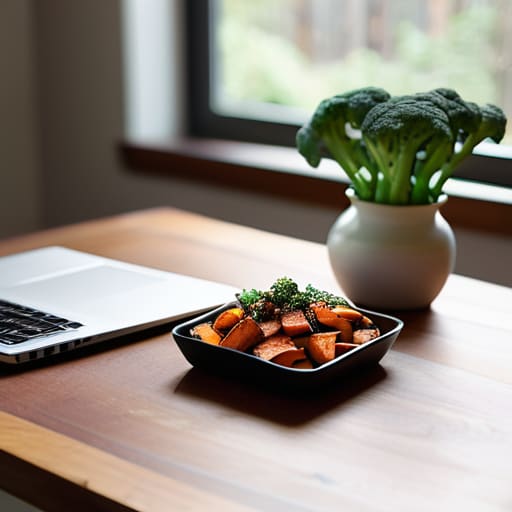
Stop treating meal planning like a chore and start seeing it as a way to reclaim your mental energy for things that actually matter.
Focus on systems, not perfection; even a simple batch of roasted veggies can save you from a mid-week productivity slump.
The goal isn’t to become a gourmet chef, it’s to eliminate the “what should I eat?” loop that drains your brain before the day even starts.
## The Real Benefit
“Meal planning isn’t about becoming a gourmet chef on a Sunday afternoon; it’s about reclaiming the mental bandwidth you usually waste on ‘what’s for dinner’ so you can actually focus on the work that matters.”
Writer
The Bottom Line
At the end of the day, meal planning isn’t about becoming a gourmet chef or spending your entire Sunday in a kitchen trance. It’s about reclaiming those tiny, draining moments of indecision that eat away at your mental energy. By implementing a solid system and reducing the sheer number of choices you have to make every single afternoon, you aren’t just prepping food—you are protecting your focus. When you stop wondering what’s for lunch or scrambling to find something edible while your brain is mid-task, you create the mental bandwidth necessary to actually excel at the things that matter most.
Don’t feel like you have to overhaul your entire life by Monday morning. Start small: pick just two lunches to prep, or commit to a single grocery list this week. The goal isn’t perfection; it’s about building a foundation that supports your highest ambitions. Once you realize that your productivity is deeply tied to how you fuel your body, everything changes. Stop letting your hunger dictate your output and start taking control of your energy. You’ll be surprised at how much more you can achieve when you aren’t constantly fighting against your own biology.
Frequently Asked Questions
How much time should I actually spend prepping on Sundays without burning out?
Don’t fall into the trap of thinking you need a marathon cooking session. If you spend five hours in the kitchen on Sunday, you’re going to hate your life by Tuesday. Aim for sixty to ninety minutes of “active” prep—chopping veggies, boiling eggs, or roasting a big batch of protein. The goal is to do the heavy lifting now so you aren’t staring blankly at the fridge on a Wednesday night.
What do I do when my planned meals don't work or I just don't feel like eating them?
Look, life happens. Some weeks you’re craving tacos, not the kale salad you spent Sunday prepping. Don’t force it—that’s how meal planning turns into a chore you eventually quit. Instead, keep a “emergency stash” of low-effort staples like frozen dumplings or eggs and toast. If the planned meal feels like a mountain you can’t climb, pivot to a backup. The goal is fuel, not perfection. Just get fed and move on.
Is it worth it to buy pre-cut veggies and frozen stuff if I'm trying to save money?
The short answer? It depends on how you define “saving.” If you’re looking at the grocery receipt, yes, pre-cut and frozen stuff is more expensive per pound. But if you’re calculating the cost of the half-bag of wilted spinach you throw away every Tuesday, the math changes. Buy frozen for your smoothies and staples, and grab the pre-cut stuff when you’re slammed. It’s a “sanity tax” that actually keeps you from ordering takeout.
