Ever feel like every “wellness guru” on your feed is trying to sell you some overpriced, organic, magnesium-infused sludge just to help you drift off? Honestly, it’s exhausting. We’ve been told for years that eating anything after 7:00 PM is a one-way ticket to weight gain heaven, but let’s be real: sometimes your stomach just won’t shut up, and staring at the ceiling while your gut growls is the fastest way to ruin your sleep. I’m tired of the complicated rules and the expensive supplements; I just want to know which bedtime snacks actually work without making me feel bloated or guilty by morning.
I’m not here to give you a lecture on “optimal sleep hygiene” or peddle some miracle powder. Instead, I’m going to share exactly what I’ve learned through years of trial, error, and many late-night kitchen raids. I’ll walk you through a handful of real-world options that satisfy that midnight craving while actually helping you stay asleep. No fluff, no pseudoscience—just honest advice on what to eat when the hunger hits.
Table of Contents
Harnessing Tryptophan Containing Foods for Deeper Rest
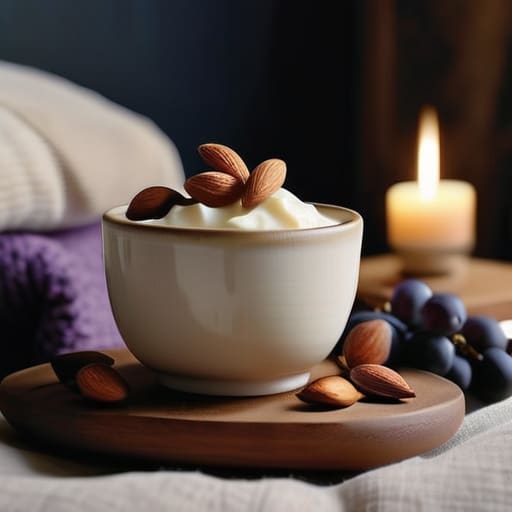
If you want to get serious about your sleep quality, you need to start thinking about the chemistry happening in your brain. One of the heavy hitters in this department is an amino acid called tryptophan. Think of it as the raw material your body uses to manufacture serotonin and, eventually, melatonin. When you prioritize tryptophan containing foods in your evening routine, you’re essentially giving your brain the building blocks it needs to signal that it’s time to wind down.
You don’t need a massive feast to make this work, though. In fact, keeping things light is key. Pairing a small amount of tryptophan with a complex carbohydrate—like a few whole-grain crackers with a slice of turkey—can actually help that amino acid cross the blood-brain barrier more effectively. It’s a subtle biological hack, but it’s one of the best snacks for insomnia relief if you’re someone who struggles to shut your brain off at night. Instead of reaching for something heavy that might cause indigestion, aim for these targeted little bites to help nudge your system toward a deeper, more restorative rest.
Magnesium Rich Snacks for Sleep and Muscle Relaxation
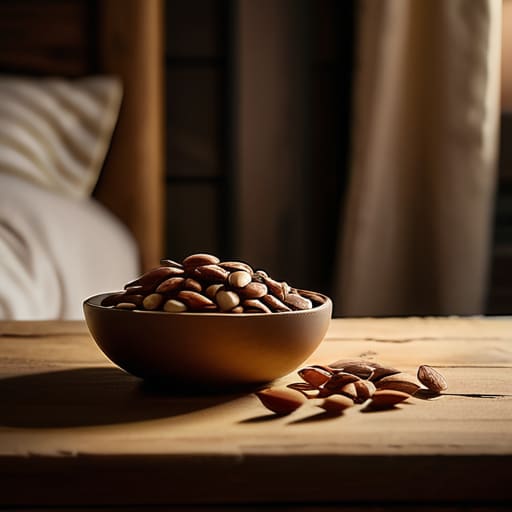
If you’ve ever tossed and turned because your legs felt twitchy or your muscles just wouldn’t settle down, you might be running low on magnesium. Think of magnesium as nature’s little relaxant; it helps regulate neurotransmitters that calm your nervous system. Incorporating magnesium rich snacks for sleep into your routine can be a total game-changer for physical tension. A handful of pumpkin seeds or even a small serving of almonds provides that much-needed mineral boost without feeling like a heavy meal.
If you find yourself constantly scrolling through your phone instead of actually winding down, you might want to look into some better ways to unplug before bed. I’ve personally found that setting a strict “no screens” rule helps my brain signal that it’s actually time to sleep, and I recently stumbled upon some great lifestyle tips over at influxgallery that really helped me reclaim my evening routine. Taking those few extra minutes to step away from the blue light can make a massive difference in how quickly you actually drift off.
The trick is to pair these nuts with something light to keep your digestion from working overtime while you’re trying to drift off. For instance, a few slices of banana are perfect because they offer a double whammy of magnesium and potassium. This combination is one of the best snacks for insomnia relief because it targets both muscle relaxation and mental calm. Just remember to keep the portions modest—you want to feel satisfied, not stuffed, so you can slide into bed feeling light and ready for some serious rest.
Quick Rules for Snacking Without the Sleep Sabotage
- Watch the clock—try to finish eating at least 30 to 60 minutes before your head hits the pillow so your body isn’t working overtime to digest while you’re trying to drift off.
- Keep the portions small; you’re looking for a gentle nudge to satisfy hunger, not a full-blown feast that leaves you feeling bloated and restless.
- Steer clear of the “hidden” stimulants, like dark chocolate or certain sodas, which might seem harmless but can keep your brain buzzing when it should be winding down.
- Avoid anything super spicy or acidic, because nothing ruins a good night’s sleep faster than dealing with late-night heartburn.
- Stick to a routine; if you find a snack combo that actually works for you, try to make it your go-to so your body starts associating those specific flavors with sleep time.
The Bottom Line for Better Sleep
Don’t overthink it—focus on snacks that combine a little protein with complex carbs to keep your blood sugar steady through the night.
Keep an eye out for magnesium and tryptophan; these aren’t just buzzwords, they’re your best friends for actually shutting your brain off.
Timing is everything, so aim to eat your snack about 30 to 60 minutes before you actually want to be asleep to avoid a heavy stomach.
## The Midnight Snack Mindset
“The goal isn’t to punish yourself for being hungry at 11 PM; it’s about picking a snack that acts like a gentle lullaby for your metabolism instead of a shot of espresso.”
Writer
Finding Your Perfect Nighttime Ritual
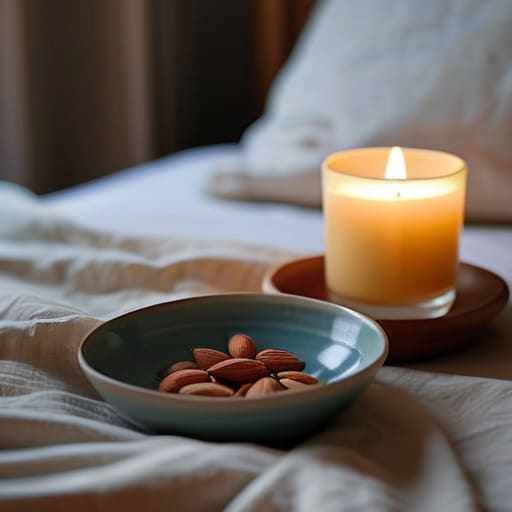
At the end of the day, choosing the right snack isn’t just about silencing a growling stomach; it’s about setting the stage for a truly restorative night. We’ve looked at how leaning into tryptophan-rich foods can help nudge your brain toward sleep mode, and how magnesium can act as a natural “off switch” for those tense, tired muscles. Whether you’re reaching for a handful of almonds or a small bowl of Greek yogurt, the goal is to find that sweet spot between feeling satisfied and feeling heavy. Remember, it’s all about balance—you want to fuel your body enough to prevent those dreaded midnight wake-ups without overdoing it right before your head hits the pillow.
Ultimately, your journey toward better sleep is a deeply personal one. There is no one-size-fits-all menu, so treat this as a bit of a playground to see what works for your unique biology. Don’t get discouraged if you don’t find your “magic snack” on the first try; it often takes a little trial and error to figure out what settles your system best. Listen to your body, be kind to yourself, and remember that small, intentional choices in the kitchen can lead to massive improvements in how you feel when that alarm goes off tomorrow morning. Sleep well.
Frequently Asked Questions
Is it okay to eat a snack right before I jump into bed, or should I wait a bit?
Ideally, you want to give your body a little breathing room. Aim to wrap up your snack about 30 to 60 minutes before your head actually hits the pillow. Eating a heavy meal right before lying down can trigger acid reflux or keep your digestion working overtime when it should be winding down. Think of it as a gentle transition—enough to quiet your stomach, but not so much that your body is busy processing a feast all night.
Are there any specific snacks I should absolutely avoid if I want to stay asleep?
Look, if you want to stay asleep, you’ve got to steer clear of the “sleep saboteurs.” First off, ditch the heavy, greasy stuff—think pizza or spicy wings—because acid reflux is a one-way ticket to a restless night. Also, watch the hidden sugar; a sugary cereal might feel harmless, but that insulin spike will leave you crashing and waking up hungry an hour later. And please, skip the caffeine or heavy alcohol; they might help you drift off, but they’ll absolutely wreck your sleep quality.
How much should I actually be eating—is it enough to just have a few bites or do I need a full snack?
Look, there’s no one-size-fits-all answer, but the goal is to satisfy your hunger without triggering a food coma. Think of it as a “bridge” rather than a meal. If you’re just feeling a little peckish, a few bites of Greek yogurt or a handful of almonds is plenty. But if your stomach is actually growling, you’ll need something slightly more substantial—like a small bowl of oatmeal—to keep you from waking up hungry at 3 a.m.
